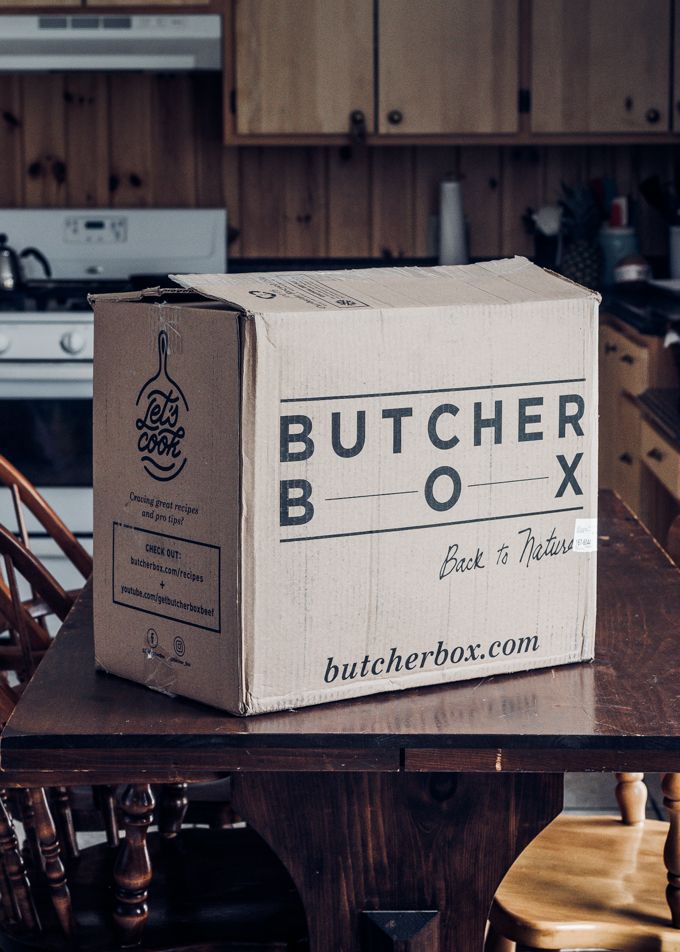
ButcherBox ships frozen meat in a large corrugated shipper with oversized bold typography printed directly on kraft — no color, no gloss, just confident branding through type. The box does exactly what it needs to do.
ButcherBox operates in one of the most constrained packaging environments in DTC: frozen meat subscription. The packaging has to protect perishable product through multiple transit days, maintain food safety, and still arrive looking intentional. Against those constraints, ButcherBox's bold typography approach is smart — it creates brand recognition through type scale and weight rather than expensive print production. The word 'ButcherBox' in oversized kraft-on-kraft communicates confidence: this brand doesn't need a logo treatment or a color program. The insulated liner is the central cost and sustainability challenge. Foam-in-box liners and EPS inserts are expensive, bulky, and difficult to recycle. ButcherBox has explored alternative liners (recycled cotton, plant-based insulation), but the cold chain requirements for raw meat set a high performance bar that not all alternatives meet. The 3PL complexity is significant: large double-wall boxes, cold chain requirements, dry ice handling, and the weight of frozen meat all drive fulfillment cost well above typical DTC benchmarks. This is not a format that runs efficiently at a third-party fulfillment center without specialized infrastructure.
Estimates based on mid-volume DTC production runs (5,000–25,000 units). Actual costs vary by supplier, volume, and spec.
| Component | Est. Cost / Unit |
|---|---|
| Double-wall corrugated shipper (typography print) | $4.50–$7.50 |
| Insulated liner (foam or alternative) | $3.50–$6.00 |
| Dry ice / cold pack | $1.50–$3.00 |
| Estimated total packaging cost | $9.50–$16.50 / unit |